I have heard it said that authors write the books they need to read. I’m not an author, but I have often written what I need to read. And this writing may be one I have needed more than most.
Sometimes unlearning is the highest form of learning. I am unlearning Motherhood.
We use the word “deconstruction” to describe how some dismantle the structures of their faith in hopes of rebuilding something new and better. I think that is a useful analogy, but I prefer to think of it as more like carefully wiping the years of accumulated grime and varnish off of a magnificent work of art; revealing it once again in all of its original beauty, purpose and significance. Not building something new from rubble, but restoring something of great worth to how it was always supposed to be. I think I am deconstructing Motherhood more like that. At least I hope that is what I am doing.
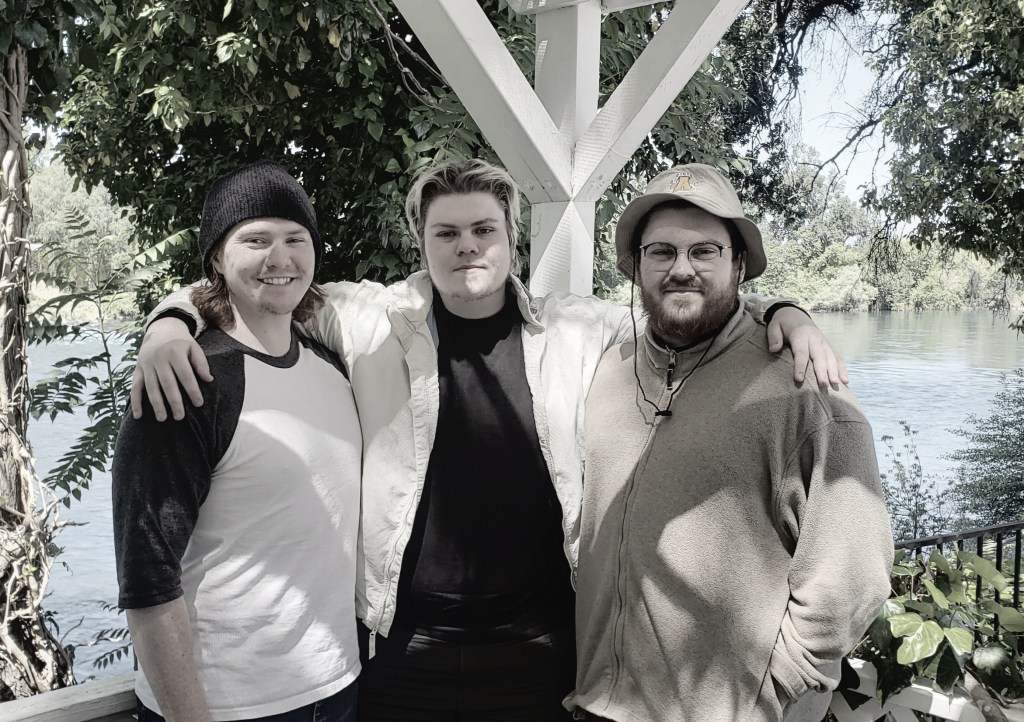
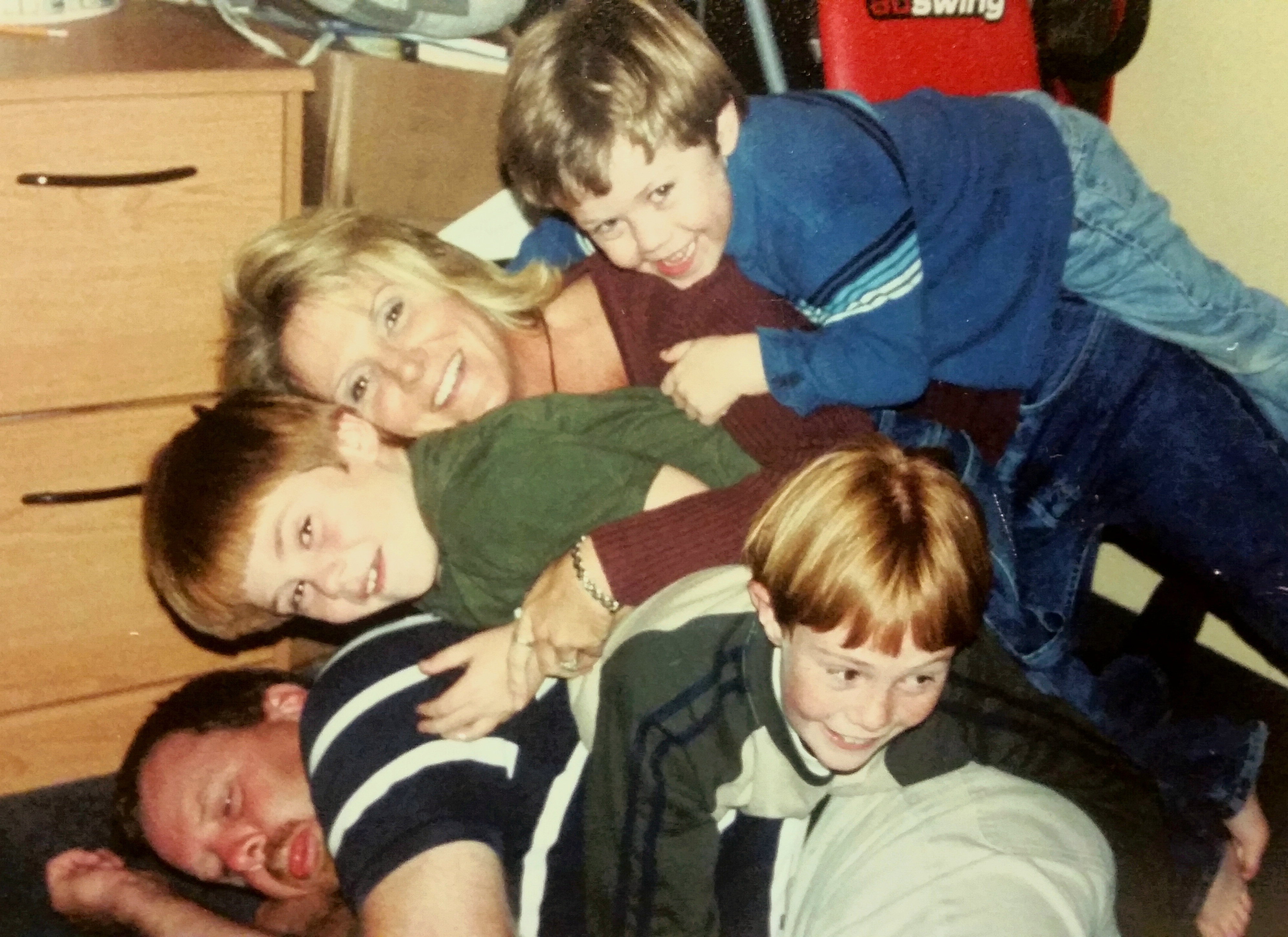
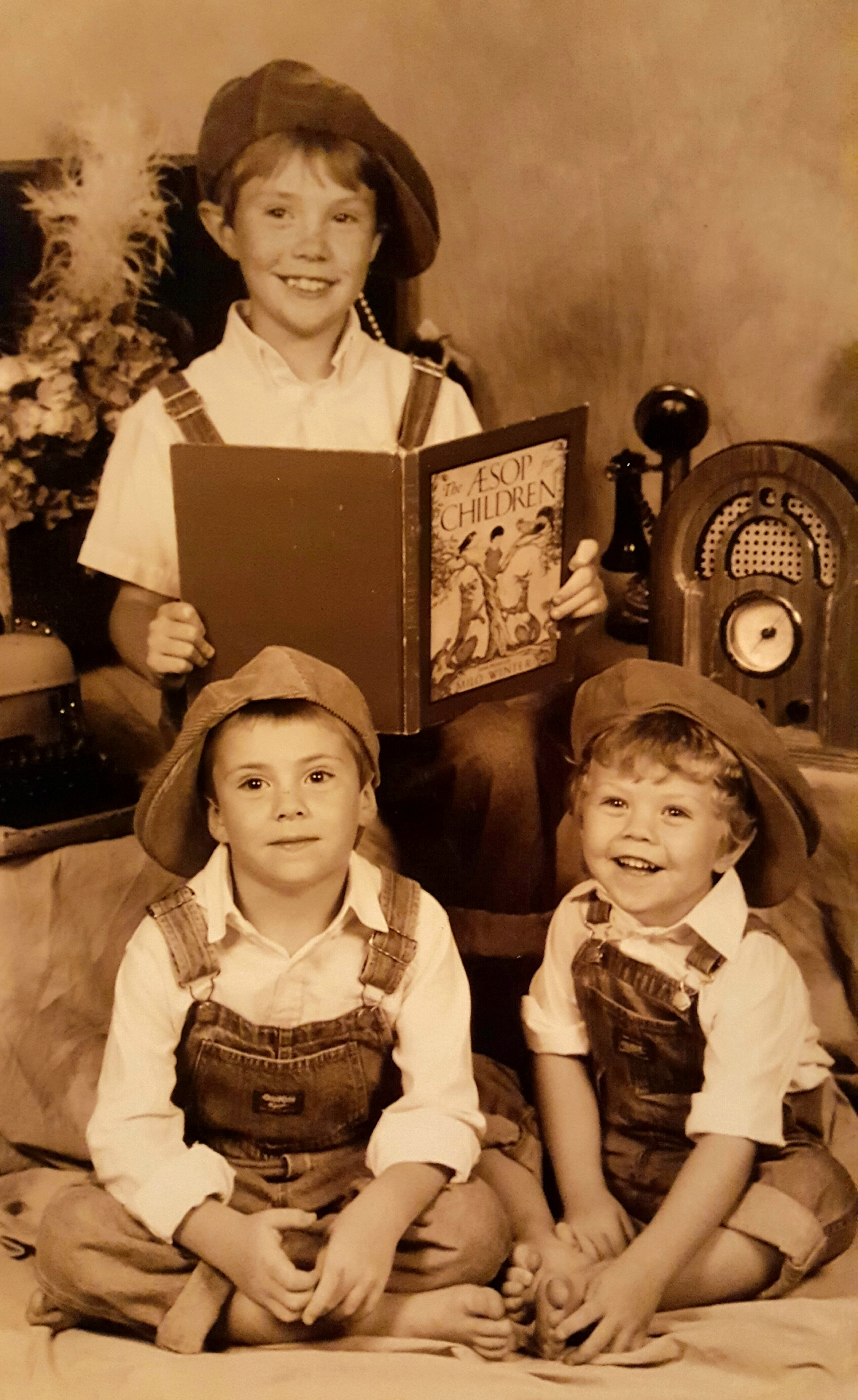
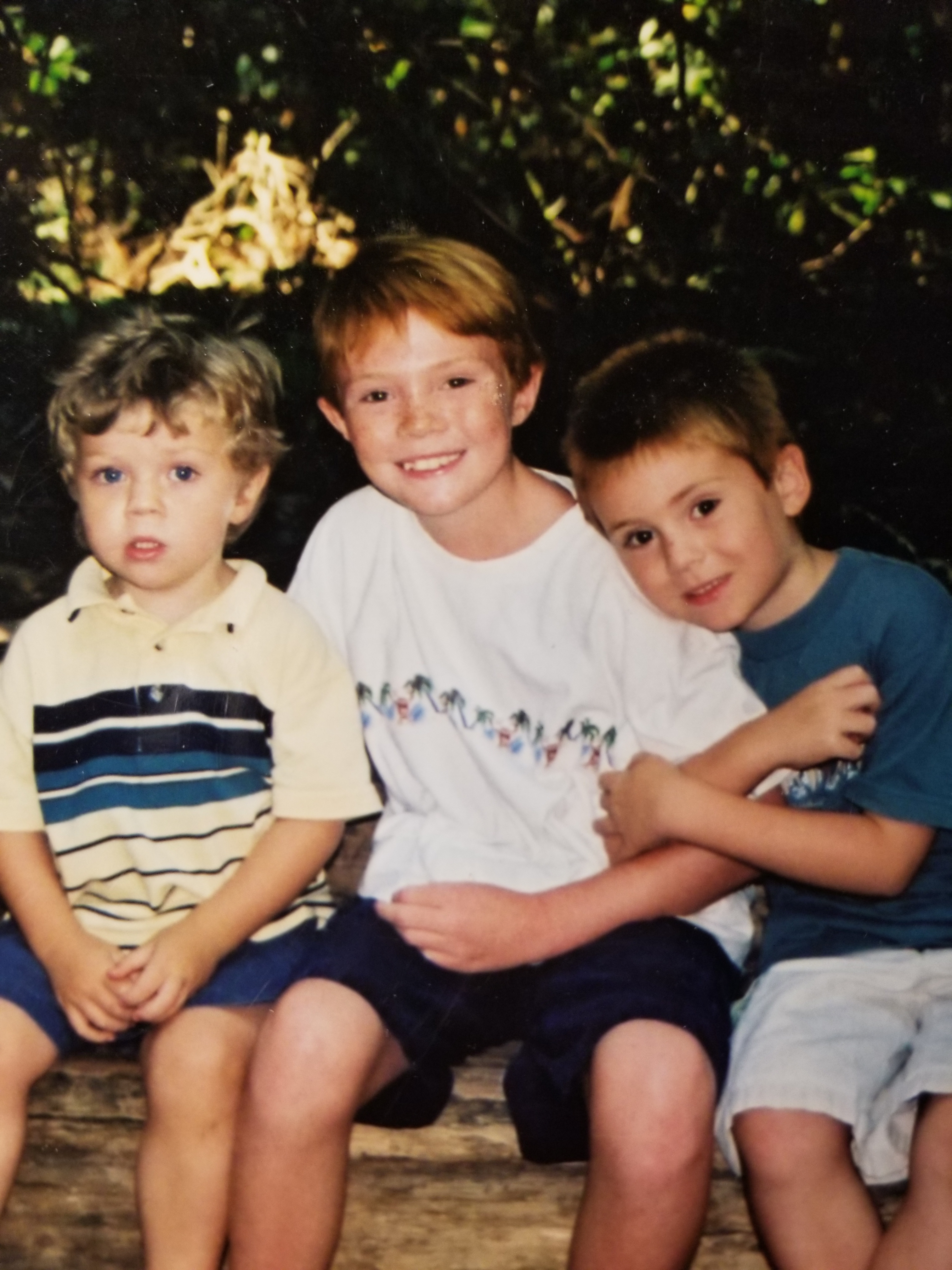
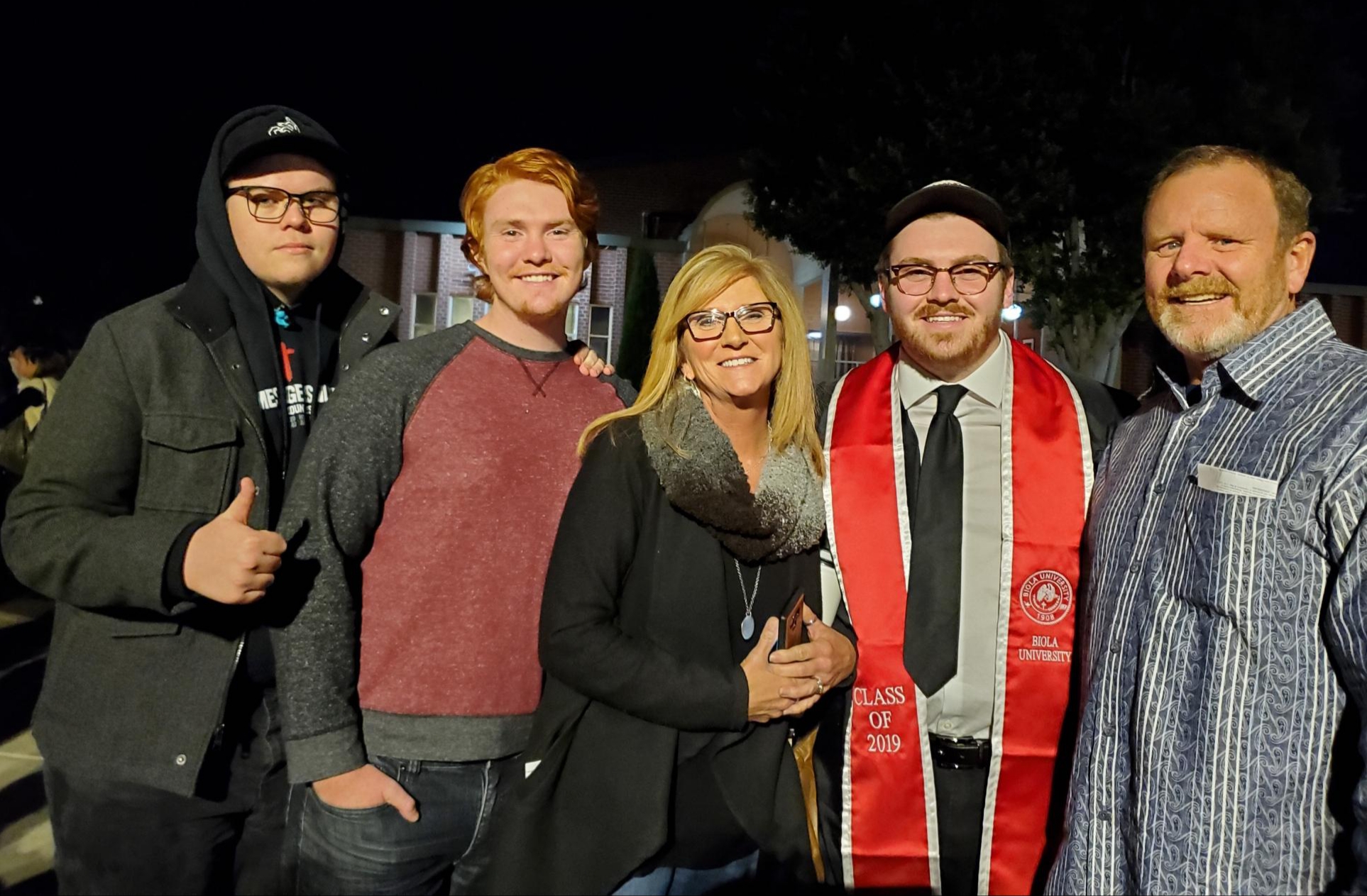
One of my son’s recently created a compelling short film series called “Help Me” as a way of processing his pain. [Attached below]. In it he cuts back and forth between images of his real life mental health struggles with depression, substance abuse and suicide to images of his younger years in home movies. He overlaid the film with a conversation that he and I had by phone about a year after the peak of his mental health crisis, which had taken a considerable toll on our family and his relationship to each of us. Significant damage was exacted on the mother-son relationship, in part because of my response to his crisis. Our conversation that day was the first time we had begun to talk through some of what happened during that time. I’m pretty sure neither of us were convinced that our conversation that day would not just inflict more hurt.
Upon seeing the film, I wasn’t yet able to name thoughts or feelings about it, I just knew I had a lot of both.
The following are just some of my reflections since then; some of what I am uncovering. No doubt there is more to come as the layers wash off. This is just part of what may be a long process; not meant to speak for everyone in this circumstance, just me. Nor is it intended to cast blame, generalize or offer a singular cause to multiple and complex issues.
There were years that I felt like a complete failure. Still in the woods on that one, but I am starting to understand what I need to relearn and learning to let go of what couldn’t be controlled. And forgive what none of us at the time knew what we know now.
There were some formulaic parenting methods that didn’t end up being as unfailing as I had once believed. Church, youth group, Christian school, Christian friends, Summer and Winter Camp, sports, service projects, Jesus-loving parents, a safe rural neighborhood, loving Grandparents nearby, parental controls on all electronic devices, Bible readings and “saying grace” at the table, prayers at bedtime and conversations meant as teachable moments, all provided no guarantees once our sons left childhood.
Not all things taught are caught. Not all things said are heard. Especially if the heart of the issue and the heart of the learner get lost in the process.
I am unlearning that love is defined by how I experience it.
I am relearning what it actually may have looked like to love sons better. What they needed, from an even younger age than I realized, was my respect. I now believe the deposit of respect [as esteem, regard, acceptance, trust, honor, admiration] is more likely what yields in them the feeling of being loved.
I think most of our men would admit – even the youngest among them – that they need our words and actions to display respect; that we honor them and approve of them. Even when, especially when, we disagree. If my love is not wrapped in respect, it may not be received as love at all.
Authentic respect is an act of humility where there is no competition, condescension or scorekeeping. My esteem of them and honor toward them may be what persuades them to higher, wiser, actions; ultimately more loving ones than my desire to control or correct ever will. My respect may be my highest act of love.
To convey my truth in love requires honoring and respecting the way they can best receive it as love. Love speaks the language of Other, not Self. Otherwise, it likely goes unheard.
I have often been more concerned with dispensing wisdom and information than drawing it out. Commenting instead of connecting; a more transactional approach that expects a performative response.
Parenting, by nature, is understandably corrective. We don’t have to teach our kids how to be self-centered, it just comes naturally. Somewhere along the way, I lost the eyes to see that parenting is less about behavior management than soul management and that disapproval and correction, without purposefully speaking into the heart and spirit, may be internalized as disrespect and condemnation. I failed to offer enough of the kinds of affirmation that builds trust and self-love within them; that enables more loving acts toward themselves and others. And I fell short in helping them acquire language to understand and communicate the struggles and longings within their souls.
My love as a Mother often conveys something like, “Come as far as you can, and I will travel the rest of the way to meet you.” Or, maybe more often, “Wait, never mind, I will just come all the way to you because you obviously need me.” Respect for my sons may have sounded more like, “How ‘bout we meet in the middle. I trust you on your leg of the journey. Let me know if you need anything.”
I know that scripture tells the truth when it says that “love drives out fear.” But the inverse is also true: fear drives out love. Parenting from fear instills and implies disbelief and lack of trust in my sons’ enough-ness to meet whatever they may face. Or in God’s enoughness to meet them where I can’t. Or shouldn’t.
And Fear is the most manipulative and deceptive of all emotions, causing us to see what isn’t there and not see what is. Even the most sincere faith, when infused with fear, tastes a lot like religion.
So we will never not make mistakes when parenting from fear.
In defense of every Mother, it is important to acknowledge that for most of those early years they really DID need us for most everything. No offense to the many very involved and impactful Dads, but it is most often Mothers who specialize in understanding what the sound of every cry or whimper means. It is Mothers who often carry the lionshare of feeding, rocking, holding, diaper-changing, bandaging, tear-wiping, bathing, clothing, chasing, shopping, hair-dressing, shoe-tying, in-store-tantrum-managing, emotional melt-down unpuddling, and car seat craziness correcting. It is most often Moms who are explaining the whys, how comes and what ifs of every aspect of their child’s world, and it is Moms who hear the name “Mom” yelled, whined, whispered, screamed more than umpteen times every.single.day. For years. And then, when it’s Dad’s turn to hear his name, his response is often “go ask your Mother.” It never ends.
There is no internal breaker switch in Moms that, at precisely the right time for each of our kids, just shuts down the power to that part of us. So it’s understandable that somewhere along the way, and I’m not sure what road signs I may have missed, I failed to make the transition from unconditional love and caring for their every need to unconditional respect and entrusting them to begin to care for their own. And I think it happens much younger than most of us Moms realize. If we are truly loving well and unconditionally, we cannot overlook the essential nature of men and the need for unconditional respect and honor, even in our boys who are not yet men. Otherwise our love will be lost in translation.
Having three sons who missed the benefits of having sisters, I took it upon myself to teach (ie. lecture/instruct) my sons how to be loving to a woman, understand her needs, and cherish her heart. Unconsciously, it seemed a trouble-free way for me to settle some of the hurts of my own heart in the process. However, it failed to respect the need of their hearts to be enough for the women in their lives without a Mother’s unsolicited help. And it failed to help them learn to love themselves, tend their own hearts, and identify and understand their own needs: of requisite importance for any healthy relationship. Or any healthy human, for that matter.
I failed to adequately help them make the connection between the condition of their heart, mind and spirit and the impact of those on their actions and relationships. I guess we just tried to convince or consequence them into wisdom and self-awareness.
I wish I had more consistently honored the image of God in them: with grace, patience and forgiveness, remembered that even a willing spirit loses battles to weak flesh and that our actions aren’t always the best reflection of that spirit. And to have better prepared them for inevitable battle losses, not just believe they can be avoided. This is true for each and every weak one of us, we just lose on different battlefronts.
If, in our effort to Mother them into good behavior, we behave in such a way that is perceived as contempt, control, or condescension, we will never motivate a son to right action or move his heart in the direction of love. (Or a husband for that matter. Just a side note). They may comply in the short-run, but over the long-haul of life we will have lost their hearts.
Whether an act of disrespect toward me leads to my disrespect toward him, or the other way around, it is early on a Mother’s responsibility to lead in the way of teaching respect by first modeling it. I must first demonstrate what I demand in return. Even correction and healthy boundaries can be put in place respectfully. I am beginning to understand that the men in my life value respect over love, or maybe more accurately, perceive my respect for them and honoring of them as love. When my love demonstrates respectfulness, I am speaking their language.
Beginning in my sons’ youngest years, and even now, my regard for who they are in the truest parts of themselves should never be sacrificed when correcting behavior or expressing concern for how they may appear to be struggling or changing from who we have known them to be. There is a deeper heart to be accessed that is much more than the sum of their choices. Or attitudes. Or affections. Or addictions. Every small, seemingly insignificant, act of respect and esteem will lead to the larger gain of our hearts’ connection, which I will take any day over compelled compliance.
There should be no place for contempt or disdain in our homes. From either parent. It will never produce the outcome we desire from the ones who are closest to us. Even if not verbally communicated or only dispensed in the smallest of doses; it is sensed, felt, received as such. Silence can be as contemptuous as words. A harsh look can inflict less pain than not being looked at at all.
Trust is built in the smallest of increments. It can be broken in the same way.
Commonly, women have radar honed to search for cues that we are known, pursued and loved. And men are hard-wired to perceive even the most faint signals of disrespect and disregard. My best intentions to love go undetected when overlaid with a filter of disrespect, disapproval or mistrust. Love is strained out altogether. Signal lost.
Generally, if a woman’s proof-of-worth comes from gestures of love through (ie.) tenderness, thoughfulness, affection, connection; a man’s proof is in demonstrations of respect: (ie.) to be esteemed, admired, trusted, honored. Enough.
A man’s sense of worth will be inherently at a disadvantage if we view respect as conditional, something only given if earned; yet we think of love as something to be given unconditionally and unearned. Anything unearned yet given goes by the name of Grace.
Speaking the language of both love and respect means that I will have a charitable understanding that our actions and words may not always be an accurate demonstration of what lies in the deepest, truest parts of ourselves. We all have protective parts of our inner selves that may come to our defense and obstruct our view of what is really going on. Our men, for the most part, may have a greater fear of being vulnerable, of appearing needy or weak. If their needs seem burdensome to them, then the fear of rejection, failure, or not being enough may prevent the vulnerability that the women in their lives may long to see. There is always more going on under the surface. And my respect for and trust in him may mean that, when he is ready, he will show me more of what is beneath the water line.
There is immense power and beauty, as well as the potential for toxicity, on both ends of the gender spectrum. There is God-designed artistry and flourishing that comes from our differences; equal in worth and value, complementary in perspective and function. I wanted my sons to know that women are powerful and fierce and necessary: that femininity is not inferior to masculinity but its equal partner. Respecting the men in our lives does nothing to diminish a woman’s power. I would argue that it enhances it. Love that identifies and speaks the Mother Tongue of the ones I love may be the most wise, powerful, tender, fierce, expression of love there is. God himself humbly put skin on and literally spoke human language to demonstrate to what extravagant lengths His love would travel. We just need to travel across the room or down the hall.
Not even Instagram and Facebook can convince me that there are perfect relationships or families, though it may seem painfully so on the comparative surface of things. The distance between us is often far shorter than it seems.
In the days that followed the posting of my son’s film, we were both astounded by the response. It seems to have hit a nerve and put some language to the pain of both parents and their adult, young adult, or soon to adult kids. We neither one had any idea of the groundswell of pain and gratitude that would surface from this. If it gives permission, encourages, exhorts parents to lovingly and respectfully engage their kids, or for adulting kids to do the same, then I think we both agree that our pain in this process was worth it. Our vulnerability to expose a still tender wound, if it leads others to do the same in an effort toward healing and restorative acts of trying to love each other a bit better, then our pain wasn’t wasted.
It takes humility and courage to step into relational conflict and hurt in a way that maintains honor and respect for the inner parts of the ones we love, while maintaining our own flawed dignity, integrity and strength. I have wasted more time trying to prevent “failures” in my sons’ lives than to recognize my own. But it is often our failures that take us by the hand and walk us toward learning. Our flaws are covered in forgiveness when grace enters the room.
Crises are disorienting and can sweep through our lives like a wild fire taking us by surprise and burning up memories faster than we can save them. We can’t stop it or control it; we just clean up, sift through the ash and wreckage in search of treasures and fragments of remembrances to piece back together as best we can. Then we change, rebuild, restore, discover joy.
I still have much to unlearn and will continue to make mistakes even while striving to relearn. What could a girl have really known about raising boys? And what can she fully know about how to love them well even now as men? By the grace and mercy of a loving God, I take some comfort in knowing that it is part of what it means to be human – that we are all still trying to figure it out and get it wrong sometimes. Maybe we could learn to be more patient and forgiving of each other if we remember that.
Again, these are just current reflections not meant to lay blame nor over-simplify or generalize about the complexities of family life. Reflections, by nature, shed light. And these are simply those of one Mother on one leg of her journey toward a better understanding of, and a better effort toward, loving well the men she loves most.
If you would like to view the film I referenced, here is the link: (*trigger and language warning in some parts). A Mother’s dream and nightmare all in one 20 minute film.
 Even the Wind and Waves
What a magnificent piece of raw truth. Thank you for your transparency and your ability to tap in to every mother‘s heart. I’ve often said if children came with instruction books every child would have a different one. Knowing full well that I was one of those who parented out of fear because I didn’t know honestly, that there was any other way. We made lots of mistakes as parents and if we had it to do all over again hopefully, we wouldn’t make the same mistakes but I’m sure we would make different ones.
I will continue to read and reread this post as it also applies to your children once they are grown and have families of their own. Trying to navigate those relationships for parents can be just as difficult. There’s no better joy than watching your children parent. In fact I think that’s often the time they truly realize what a difficult journey it is to be a parent. My daughter recently said to me, “Mom, it’s so hard raising yourself. I get it now.”
I love you sister. Thank you for laying out a roadmap for those of us that seek to understand better ways of connecting with those we love the most.
I see a book in your near future.
LikeLike
PT!! I am so sorry I never responded to this. I am rarely ever on this site and I never saw it until now. Thank you so much for your kind words. Words are a scary thing to put out there so thank you for being kind to mine! Love and miss you, friend. Hope you are well!!
LikeLike