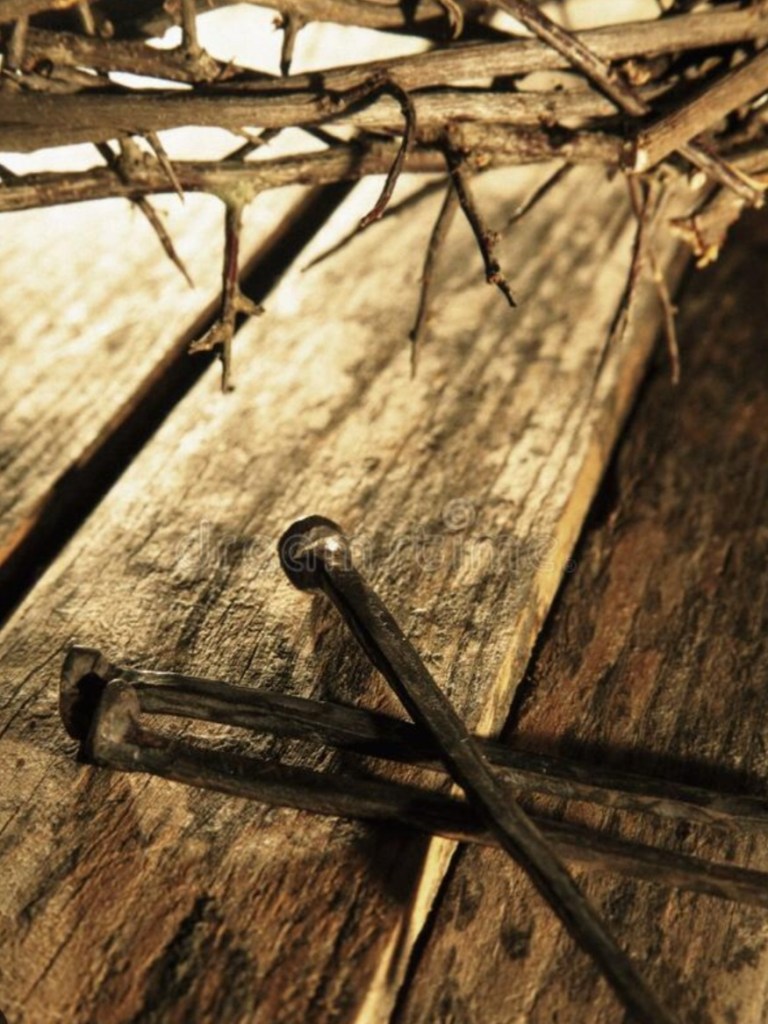
This year, I gave up Lent for Lent. Gave up the hope that I could move the hand of God by skipping chocolate. Gave up my worship song theology that breakthroughs, turnarounds and miracles in the works might more likely happen if I sacrifice for Him like He did for me. Unless I subject myself to brutal torture on His behalf, I’m pretty sure that any sacrifice I make is laughably no comparison. I know that isn’t the heart of Lent, but, if I am honest, it sounds a lot like mine. My secret belief that if I just religion religiously enough then He will do the thing that I need in the way that I want, so that I can give Him all the glory, of course. And of course He wants all the glory, I’m just trying to help. Frederick Buechner writes that most theology is at its heart autobiography. The problem isn’t that God isn’t capable of my miracles, I know He is. And I don’t think the problem is the size of my faith since the size of a tiny mustard seed is all that is needed to move mountains into the sea. Skepticism isn’t always a lack of faith, sometimes it is a humble awareness that I may not be looking for or expecting the right thing to happen. (*eg. Every one of those 12 men closest to Jesus hanging on His every word for three years had the same problem). I can fully expect that He is going to do “it,” whatever my “it” is, but, like the apostles, maybe my hope is a bit too extravagant, too miracle-y, too victorious in how I define victory. Buechner speaks of those miracles and victories as being found in “the clack-clack” of our lives. “The occasional, obscure, glimmering through of grace. The muffled presence of the holy. The images, always broken, partial, ambiguous, of Christ.” Isn’t that the real miracle afterall? That the God of the universe would come to little us, putting Himself at our mercy, walking among us, breaking bread with us while He Himself is our Bread. “Give us this day our daily bread …” Yes, give us what we need as physical sustenance, but give us this day our daily Bread. The clack-clack of daily life with God. That He is my sustenance alone apart from any answer I am looking for from Him. That He might become my literal daily Bread. My desire for the thing I want from Him isn’t at all bad. In fact, it may very well seem like exactly what He would want too. But when my will is taken captive by desire for the lesser thing it is more like a rice cake for my soul than sustenance. My actions in pursuit of desire become religion. And I starve. I can tell myself that God is my desire, but the value I place on Lent that says if I do x, y and z then God will … is really attached to what I hope God will do for me, how I want Him to move. Desire, if not compelled by a singular love for God, apart from any good thing that comes from His hand, will never be satisfied. If my intimacy with and connection to God are hinged to how He shows up for me in the fulfillment of my desires then I will miss Him more often than not. If in the act of Lent what I give up is myself, my autobiographical theology, then maybe I get in return a more authentic communion with Him. A uniting with Him in His Passion that drove Him to the cross, the compassion of suffering with Him to learn “obedience unto death, even death on a cross.” A communion with Him, and saints before me, who gave up “self” in service to God and others, who died to the self-life to gain true life. Until I get this, really know something more of His suffering and sacrifice than my good health and First World sensibilities will allow, then I am giving up Lent for Lent. And I will look for Him – instead of through my religion that desires to move His hand in my direction – and observe more intently to spot Him in the clack-clack of the daily, the holy moments that have nothing to do with my performance and everything to do with His lavish and baffling sort of grace, in spite of my efforts and because, simply, He loves me. As if I need more evidence than the cross itself, in this love He gives it to me anyway.
 Even the Wind and Waves